
英検1級 過去問検証 2009年
Legendary Blades
| bundle | 【他動】 ~を束にする、束ねる |
Patently Ridiculous
| infringe |
to do something that is against a law or someone’s legal rights 〔権利・法律などを〕侵す |
| divert |
1. to change the use of something such as time or money 2. to change the direction in which something travels 【他動】 ~をそらす、(方向)転換する【発音】dəvə́ːrt |
| litigation |
the process of taking claims to a court of law 訴訟、告訴、起訴 |
| squabble |
to argue about something unimportant 類義語 quarrel つまらない口論[口げんか・言い争い]をする、言い争う |
| understaffed | not having enough workers, or fewer workers than usual |
| siphon |
to dishonestly take money from a business, account etc. to use it for a purpose for which it was not intended 〔資金などを〕抜き取る、吸い取る |
| desperate |
1. willing to do anything to change a very bad situation, and not caring about danger 2. needing or wanting something very much
|
| filter all the way down to | ~に至るまで幅広く知れわたる |
| hamper | to make it difficult for someone to do something |
| secretive | a secretive person or organization likes to keep their thoughts, intentions, or actions hidden from others |
| clamor |
1. a very loud noise made by a large group of people or animals 2. the expression of feelings of anger and shock by a large number of people – used especially in news reports |
| alleviate | to make something less painful or difficult to deal with |
Anti-Poaching Enforces Turn to Forensics
| Poaching | 密猟 |
| Forensics | 科学捜査 |
| sentiment | 気持ち、感情 |
| curtail | 縮小する |
| wanton | 残酷な、無慈悲な |
| slaughter | 大虐殺、食肉処理 |
| squeeze | ~を絞る[押しつぶす] |
| contraband | 〔輸出入が〕禁止[禁制]の |
| vengeance | |
| halt | |
| strain | |
| contraband crime | |
| lucrative | |
| smuggling | |
| impunity | |
| trafficking | |
| herd | |
| crack | |
| confiscated | |
| tusks | |
| feces | |
| roam | |
| locales | |
| cash-strap | |
| streamline | |
| deter |
Medical Decisions in the United States
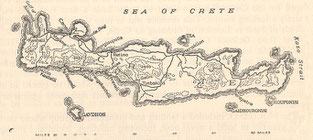
An Enigma from Crete
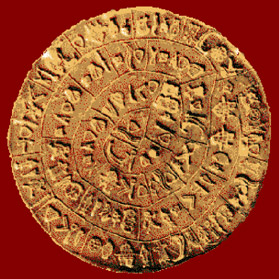
| Enigma |
謎、謎めいた言葉、不可解な出来事
|
| Crete |
クレタ島◆エーゲ海のギリシャの島。古代のミノア文明の地。
|
| Phaistos | ファイストス。クレタ島の古代都市。 |
| glyph | 象形文字 |
| spiral |
|
| decipher | 判読が難しいものを〕読み解く |
| decipherment |
判読、解読
|
| Phaistos Disc | ファイストスの円盤 |
The Travels of Ibn Battuta
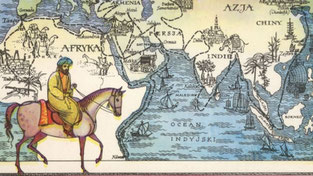
[1] Popular wisdom has regarded the Middle Ages (as a time characterized by economic and social decline, political
anarchy, and parochialism).
Samuel Huntington provided an updated version (of this perspective).
The gist (of Huntington's argument) was that:
Significant cross-cultural exchange is a recent phenomenon.
This modernist view has many adherents.
Many consider it (= long-distance trade) to have been negligible.
[2]
The medieval Muslim world was in terminal decline
due to its failure to follow the ideas by the Greeks.
H. A. R. Gibb contended that:
the political structure of the Muslim world was on the downward spiral.
He attributed this degeneration to the illiberal Turks and Mongols.
[3][4][5][6]
| Ibn Battuta |
イブン・バットゥータ 史上最も偉大な旅行家の一人。 |
| protest | 抗議[反対]する |
| Middle Ages |
《the ~》中世◆ヨーロッパ史における5世紀から15世紀の時代区分。 さらに、中世前期(Early Middle Ages)、中世盛期(High Middle Ages)、 中世後期(Late Middle Ages)の三つの時代に区分される。 |
| parochialism | 〔考えなどの〕偏狭さ、狭量さ |
| inward-looking |
〈侮蔑的〉内向きの、内向的な、内向き思考の◆
【対】outward-looking
|
| gist | 主旨、要点 |
| substantive | 実質的な、現実の |
| modernist | モダニストの、現代主義の【発音】mɑ́dərnist |
| adherent | 追随者、支持者、信奉者◆【同】follower |
| medieval | 中世の 【発音】mìːdiíːvəl |
| negligible | 無視できるほどの、取るに足りない【発音】néglidʒəbl |
| economic institution | 経済制度 |
| terminal decline | 末期的衰退 |
| rationalism | 合理主義 |
| scientific inquiry | 科学研究 |
| contend | ~を強く主張する、頑固に主張する【発音】kənténd |
| on a downward spiral | 《be ~》下方スパイラルにある |
| factionalism | 派閥争い |
| degeneration |
1.〔物質的・精神的・倫理的〕悪化、衰退、退廃 2. 《生物》〔進化の過程の〕退化◆【同】devolution |
| illiberal | 自由を認めない、心の狭い◆【対】liberal 【発音】ilíbərəl |
| conquer | 〔武力で領土などを〕獲得[制圧・征服]する【発音】kɑ́ŋk(ər) |
| declinist | 悲観論者 |
| play down |
~を軽視する、~を見くびる ・The company played down their role in the scandal. 会社は、スキャンダルにおける彼らの役割を軽視しました。 |
| vigorous | 活気あふれる【発音】vígərəs |
| devastate | 〔物や場所を〕徹底的に破壊する【発音】dévəstèit |
| narrative | 物語、談話【発音】nǽrətiv |
| vibrant | 活気のある、力強い |
| cohesive |
1. 粘着性[粘着力]がある 2.〔組織などが〕団結した、まとまりのある |
| cosmopolitan | 国際的な【発音】kɑ̀zməpɑ́lətn |
| buoyant | 快活な |
| depiction |
描写、表現、叙述 ・The Canadian 20-dollar bill has a depiction of Queen Elizabeth on it. カナダの20ドル紙幣にはエリザベス女王が描かれている。 |
| stagnant |
1.〔水・空気などが〕流れない 3〔経済などが〕停滞気味の |
| have all the makings of | ~になる全ての素質がある[を持っている] |
| sinner | 〔道徳・宗教上の〕罪人、罪を犯した人 |
| saint | 《キリスト教》〔列聖された〕聖人【発音】séin(t)◆【参考】canonization |
| dismiss |
1. 解散させる、解雇する 2.〔要求などを〕却下する【発音】dismís |
| contemporary |
1. 同時期に起こる[存在する]、同時代に存在した◆【語源】con-(一緒)+ tempo(時間) 2. 今まさに起こっている、現代の、当代の 【発音】kəntémpərèri |
| Volga River | ボルガ川、ヴォルガ川◆ロシア。カスピ海に流れる。 【発音】vɑ́lgə |
| dismissive |
〔人・物事について〕真剣に[真面目に]考えない、否定的な、 拒否する(ような)、軽蔑的な 【発音】dismísiv |
| mysticism | 神秘主義 【発音】místəsìzm |
| romanticize | ~を理想化して語る |
| encompass | 他動 〔~の回りを〕取り囲む、包囲する【発音】enkʌ́mpəs |
| biographer | 伝記作家【発音】baiɑ́grəfər |
| travelogue |
トラベログ◆観光旅行に関する情報を集めた映画・情報誌・ホームページなど 【発音】trǽvə-lɔ̀(ː)g |
| Genoese | |
| Ottoman | |
| firsthand | |
| ravage | |
| plague | |
| scourge | 災難[破壊・戦争]のもと、懲罰を下す人 |
| noteworthy | |
| overlook | |
| coherently | |
| disguise |